Most smokers in the United Kingdom now wrongly believe vaping is at least as harmful as smoking, according to new survey data. The findings suggest the country’s once-clear harm-reduction message has been swallowed by years of vape panic.
The misconception matters because smokers who believe the two products carry the same risk are less likely to switch completely. That is the whole point of tobacco harm reduction: move people away from burning tobacco, the part that kills them.
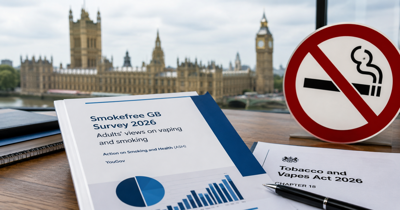
The new figures come from Action on Smoking and Health (ASH), which commissioned YouGov to survey more than 13,000 adults for its 2026 Smokefree GB survey, according to a July 5 Guardian report. The analysis found that 54 percent of UK adults and 52 percent of smokers believe vaping is as harmful or more harmful than smoking. Among smokers who have never tried vaping, the figure rises to 61 percent.
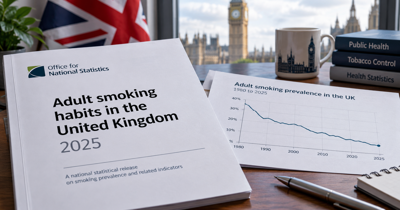
That is not a one-year blip. ASH’s 2025 adult vaping fact sheet, based on Smokefree GB survey data, found that 53 percent of smokers believed vaping was as harmful or more harmful than smoking. The same fact sheet estimated that 10 percent of adults in Great Britain vape, equal to about 5.5 million people, and that 55 percent of current vapers were ex-smokers.
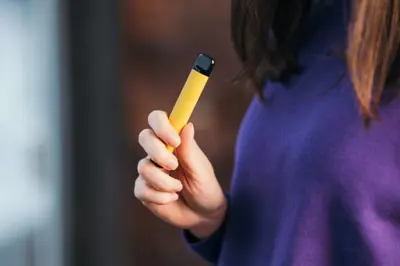
The belief is wrong in the most important way. The National Health Service tells smokers that nicotine vaping is less harmful than smoking and is one of the most effective quitting tools. Smoking works by combustion, releasing tar, carbon monoxide, and thousands of chemicals. Vapes heat e-liquid to create an aerosol. They are not risk-free, and children and nonsmokers should not use them, but they do not expose users to smoke.
A major 2022 evidence review commissioned by the Office for Health Improvement and Disparities and led by King’s College London researchers found that toxicant exposure was significantly lower among people who vape than among people who smoke. The government’s own summary of that review warned that messages meant to deter youth vaping must be designed carefully so they do not misinform smokers about the relative risks of smoking and vaping.
That warning now looks less like a footnote than a diagnosis.
The survey lands as the UK is tightening vape restrictions through the Tobacco and Vapes Act 2026. Parliament lists the law as the Tobacco and Vapes Act 2026, c. 18, with provisions covering tobacco age-of-sale restrictions, vape retail rules, product requirements, advertising, and public-use restrictions. The Department of Health and Social Care says the Act received Royal Assent on April 29 and that a comprehensive advertising and sponsorship ban for vaping and nicotine products is intended to take effect across the UK on June 1, 2027.
The government says it wants to reduce youth vaping while preserving vapes for smokers who want to quit. That balance is easy to describe and hard to maintain. When the public hears only that vaping is dangerous, the missing comparison does the damage. Smokers who turn away from vaping because of a false equivalence are not being protected from nicotine. They are being pushed away from the exit door.

CBG (cannabigerol) is the mother of all cannabinoids, including CBD and THC. Learn more about CBG flower, its effects, strains, and whether it can get you high.

Learn how old you have to be to buy caffeine pouches, including federal and state age restrictions, retailer policies, and rules for minors.

Learn whether caffeine pouches are safe, including potential side effects, caffeine limits, oral health risks, and who should avoid them.

Because of declining cigarette sales, state governments in the U.S. and countries around the world are looking to vapor products as a new source of tax revenue.