A researcher is challenging studies that use mice to predict the dangers of “thirdhand” vaping exposure in children, arguing that the experiments don't reflect conditions in ordinary homes.
In an Oct. 23 commentary, Roberto Sussman of the National Autonomous University of Mexico argues that scientists have demonstrated biological effects in laboratory animals without first establishing that children encounter comparable exposure in real life. A measurable effect in a mouse does not automatically establish a health risk for a child.
Thirdhand exposure refers to chemicals left on surfaces or fabrics after smoking or vaping has stopped. Tobacco smoke deposits persistent chemical residues indoors. Sussman says vaping aerosol behaves differently from tobacco smoke because its droplets evaporate and disperse rapidly, and vaping produces no continuous sidestream emissions. However, some aerosol constituents, including nicotine, can still accumulate on indoor surfaces.
Sussman's argument draws on his July 22 review in the International Journal of Environmental Research and Public Health. He concluded that nicotine and related substances can accumulate on surfaces following vaping, but that published measurements of substantial residues have largely come from laboratory chambers and heavily used vape shops, not typical residences occupied by children. That is a conclusion about the available evidence, not proof that exposure never occurs.
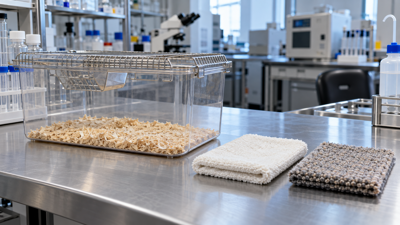
The experimental methods are central to his complaint. In a 2023 mouse study, researchers exposed cotton towels to machine-generated e-cigarette aerosol, then placed the treated fabric in cages. They reported changes in some lung outcomes after repeated exposure. The protocol established that contaminated material could affect mice, but it did not directly measure what a child would absorb from furniture or clothing in a typical home.
A July 2026 study published in Pediatric Research used a similar approach with carpet and terrycloth exposed in a chamber. Newborn mice were then housed with the materials for 21 days. Investigators reported sex-specific lung changes, including impaired lung function later in life among males. The researchers described their model as representing domestic exposure; Sussman disputes that characterization because the fabric contamination was generated artificially.
Not everyone agrees with his assessment. In an August commentary in Pediatric Research, respiratory researcher Alexander Larcombe praised the newborn-mouse experiment for examining contact with household materials during a vulnerable developmental period. Larcombe argued that the findings support stronger precautions against vaping around infants. He also acknowledged that the study modeled a high-exposure scenario and called for comparisons with real-world human exposure levels.
The disagreement is not over whether laboratory mice showed changes; it is over what those findings establish about children. Without measurements connecting the amount and composition of residues in ordinary homes to the doses animals received, the experiments cannot independently quantify a real-world pediatric risk.
Sussman says two additional installments will examine eight animal studies and explain why laboratory conditions can produce residues that have not been comparably documented in children's everyday environments. For now, the evidence supports investigating the question, not treating either the mouse results or Sussman's criticism as the final word on children's exposure.


CBG (cannabigerol) is the mother of all cannabinoids, including CBD and THC. Learn more about CBG flower, its effects, strains, and whether it can get you high.
Learn how old you have to be to buy caffeine pouches, including federal and state age restrictions, retailer policies, and rules for minors.

Learn whether caffeine pouches are safe, including potential side effects, caffeine limits, oral health risks, and who should avoid them.

Because of declining cigarette sales, state governments in the U.S. and countries around the world are looking to vapor products as a new source of tax revenue.