India’s Consumer Online Foundation has asked the Prime Minister’s Office to create a national task force to attack the country’s expanding trade in smuggled cigarettes, counterfeit tobacco, and illegal nicotine products.
The proposal matters because India’s tobacco and vape restrictions are only as effective as the government’s ability to police the markets they create. Taxes, product rules, and outright prohibitions do not make demand disappear. Without coordinated enforcement, they can simply move sales from regulated businesses to criminal suppliers.
In a July 17 representation reported by United News of India, the Consumer Online Foundation (COF) proposed placing the task force under the Cabinet Secretariat or the Prime Minister’s Office. It would combine the health, finance, home affairs, consumer affairs, and commerce ministries with customs, intelligence, and state enforcement agencies.
COF also proposed a 100-day action agenda covering border surveillance, counterfeit manufacturing, market inspections, consumer reporting, and a national data repository. The group wants annual performance reviews and measurable goals to reduce illicit trade and recover tax revenue.
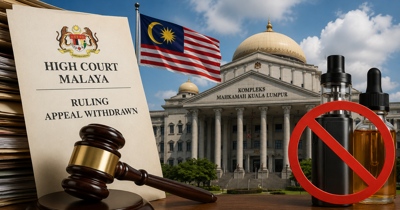
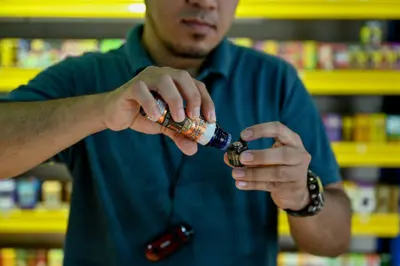
The request includes illegal vaping products, which India has prohibited since 2019. The country’s Prohibition of Electronic Cigarettes Act bans the production, importation, transportation, sale, distribution, storage, and advertising of electronic cigarettes. The law also gives authorities search-and-seizure powers.
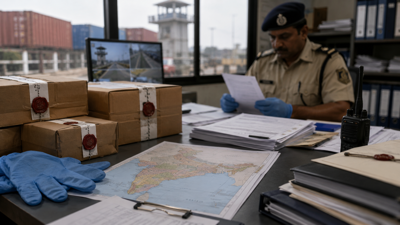
The ban has not eliminated the market. On May 21, India’s Directorate of Revenue Intelligence announced the seizure of nearly 300,000 vaping products valued at more than ₹120 crore. Officers intercepted misdeclared shipments across Maharashtra, Gujarat, Delhi, and West Bengal. The products had reportedly been concealed as furniture and metal chair parts.
That operation is a useful measure of the enforcement problem. A prohibition that produces large seizures is not necessarily succeeding. It may instead show that smugglers have found a profitable market that licensed sellers are forbidden to serve.
COF pointed to Australia, where the Australian Border Force has led a multi-agency Illicit Tobacco Taskforce since 2018. Australia expanded that structure in October 2025 with a separate disruption group targeting retailers and other mid-level enablers.
India does not lack tobacco laws or enforcement bodies. It lacks a single structure responsible for connecting intelligence, border action, tax enforcement, retail inspections, and consumer reporting.
A national task force would not fix the incentives created by heavy taxation and prohibition. But it would at least force the government to measure the illegal market it has helped create—and stop pretending each spectacular seizure is a complete strategy.


CBG (cannabigerol) is the mother of all cannabinoids, including CBD and THC. Learn more about CBG flower, its effects, strains, and whether it can get you high.

Learn how old you have to be to buy caffeine pouches, including federal and state age restrictions, retailer policies, and rules for minors.

Learn whether caffeine pouches are safe, including potential side effects, caffeine limits, oral health risks, and who should avoid them.

Because of declining cigarette sales, state governments in the U.S. and countries around the world are looking to vapor products as a new source of tax revenue.